Capture the Magic: A Guide to Hiring a Winter Garden Photographer
Why choose a local Winter Garden photographer for seasonal portraits and events
Choosing a photographer who knows the rhythms and landscapes of Winter Garden can transform a photo session from ordinary to unforgettable. Local professionals understand the best micro-locations—historic downtown streets, oak-lined parks, small botanical pockets, and waterfront edges—so clients get images that feel distinctively regional and authentic. A photographer familiar with the area will plan around local light patterns, municipal rules, and seasonal blooms to maximize visual impact.
In mild-winter climates, mornings and late afternoons offer soft, golden light that flatters skin tones and enriches foliage; in cooler climates, winter light can call for a different approach entirely. A local pro anticipates seasonal changes—what blooms early, which trees keep color longest, how shade falls across popular backdrops—and can suggest times and places accordingly. This reduces surprises and shortens on-site time, improving the client experience and the final gallery.
Beyond scenery, a community-rooted photographer often has relationships with nearby venues, florists, and event coordinators, making logistics smoother for weddings, engagements, or family reunions. For those seeking an experienced specialist, consider searching for a dedicated winter garden photographer who lists local sessions, venue familiarity, and weather-savvy scheduling as part of the service offering. The result is a cohesive visual story that reflects both the season and the unique character of the region.
Technical approach: lighting, gear, and composition for winter garden sessions
Successful winter garden photography combines technical skill with creative vision. Lighting is paramount: soft, diffused skies make for gentle, even exposures while directional light—early morning or golden hour—adds depth and warms skin tones. When direct sun is unavoidable, experienced photographers use reflectors, scrims, or off-camera flash to control contrast and preserve detail. Backlighting can create ethereal rim light around subjects when handled with correct exposure and fill.
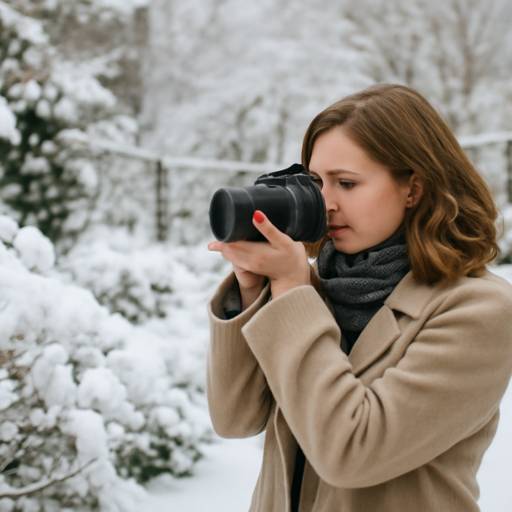
Gear choices are practical and purposeful. Prime lenses such as 35mm and 85mm provide sharp portraits and pleasing bokeh; a 50mm offers versatility for mid-session variety. A 70–200mm zoom is valuable for candid moments and compressing backgrounds, while a wide-angle option captures architecture and group shots. Macro or close-up lenses pick up floral and detail work. Tripods, spare batteries, and rain protection are essential; unpredictable weather is part of outdoor work.
Composition in garden environments balances subject placement with natural elements—framing through branches, using pathways for leading lines, or positioning subjects against a negative-space sky. Aperture decisions influence storytelling: wide apertures isolate subjects, while narrower apertures keep environmental context. Post-processing completes the vision: RAW editing, selective color grading to preserve greens, and careful skin retouching maintain authenticity. These combined techniques ensure images that feel both polished and organically tied to the winter garden setting.
Service scenarios, wardrobe tips, and a real-world session example
Winter garden photography covers a wide range of services: engagement and wedding portraits, family sessions, maternity shoots, and corporate headshots set against local landscapes. Each scenario benefits from specific planning. For families, staggered outfits with complementary tones and minimal patterns keep focus on faces and interactions. Couples should coordinate palettes that work with the season—muted earth tones, soft jewel hues, and layered textures photograph well. Formal attire may require alternate locations to avoid soiling; bringing a change of shoes or a garment bag helps manage logistics.
Client preparation also includes practical advice: schedule sessions around golden hour for romantic portraits, bring a compact blanket for cooler evenings, and pack simple props that add narrative without overpowering the frame. For events, build a timeline that allows time for portraits before dusk; reserve a contingency plan for sudden weather shifts and indoor back-up spaces when needed.
Example case: a late-afternoon mini-wedding in a downtown garden. The timeline began with couple portraits at golden hour, using a 85mm prime for intimate frames and a 35mm for environmental shots. When clouds rolled in, a softbox and reflector restored contrast while a 70–200mm captured candid vows from a distance. Detail work—rings, bouquet, venue signage—used a macro-capable lens to create texture-rich inserts for the album. Deliverables included a balanced gallery with warm highlights, preserved greens, and a mix of candid and posed images. This scenario demonstrates the value of planning, flexible gear choices, and local knowledge to deliver consistent results that highlight both the people and the place.

Kyoto tea-ceremony instructor now producing documentaries in Buenos Aires. Akane explores aromatherapy neuroscience, tango footwork physics, and paperless research tools. She folds origami cranes from unused film scripts as stress relief.